
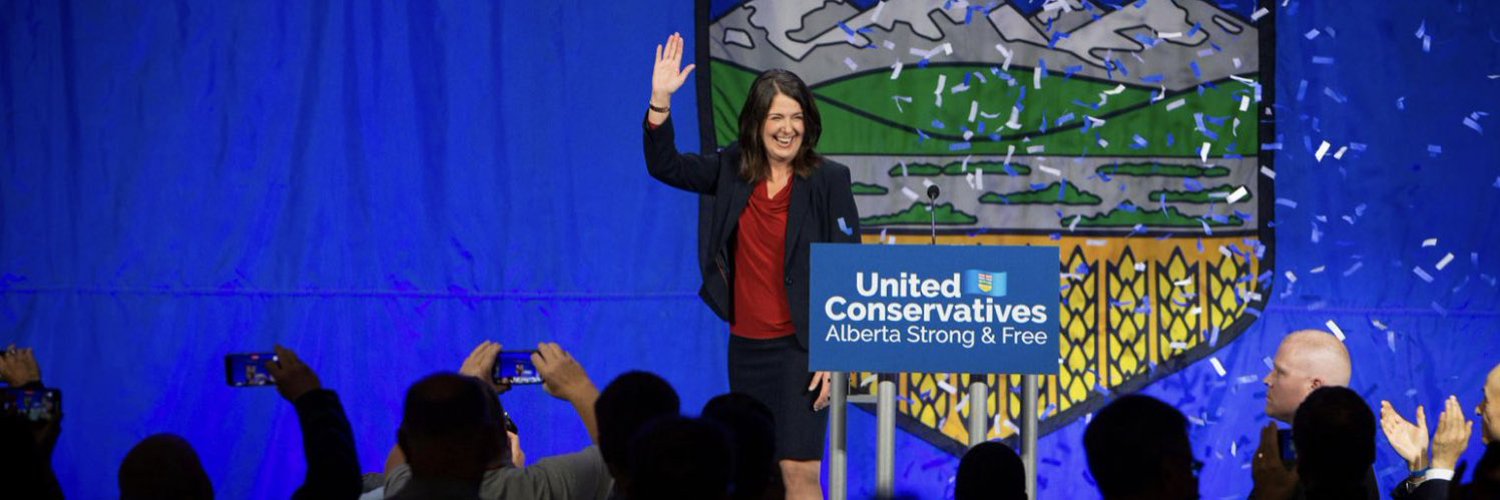
If Alberta heads to the polls in early February, it won’t be because the government has to, but because Premier Danielle Smith may decide it is the least-bad moment to lock in a new mandate before several political headwinds collide. Speculation about an early election has already begun circulating in Alberta’s political class, with commentators openly weighing the risks and rewards of a winter campaign.
One major incentive is the government’s “soft conservative” flank. A newly launched Progressive Tory Party of Alberta is positioning itself to attract voters who still lean conservative but are uneasy with the UCP’s tone, style, or policy direction. The longer this party has to organize, recruit candidates, and raise money, the more dangerous it becomes. History shows that new parties built on familiar political brands can gain traction quickly once they have time to build local organizations. From Smith’s perspective, calling an election early could be a way to catch this new competitor before it becomes a serious political threat.
At the same time, Smith faces growing pressure on her right. Separatist and independence-focused movements have been gaining visibility and energy, reshaping the internal dynamics of conservative politics in Alberta. Even if outright separation does not command majority support, the rising intensity of this movement can force the government into an increasingly hard-line posture. Over time, that risks fracturing the conservative coalition or giving space for more radical challengers. A snap election would allow Smith to freeze the political battlefield while her current coalition still holds together.
Finally, the slow burning Corrupt Care scandal may finally erupt. The Auditor General is expected to release his complete report in the spring that examine controversial government contracting and health-care decisions. Those reports could revive allegations of mismanagement or favoritism and dominate political coverage for weeks. Even if the findings fall short of the worst accusations, the drip of audits, investigations, and document stories would make it harder for the government to control the narrative.
Taken together, these pressures create a powerful incentive for an early move. If Smith believes her coalition is strongest now, that new rivals and separatist forces will only grow, that fiscal news will soon darken, and that spring audits could be politically damaging, then a February election starts to look less like a reckless gamble and more like a calculated effort to lock in power before the weather turns.