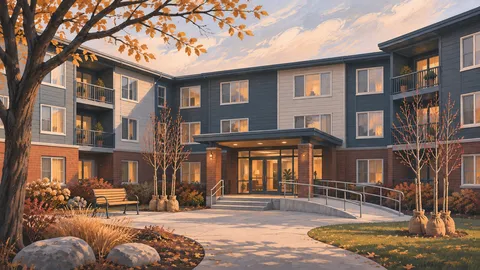
Calgary's 2026 Mayor's Urban Design Awards have recognized a diverse collection of architectural and planning projects, with particular attention to affordable housing, climate resilience and Indigenous cultural representation. The city announced the results Friday, November 20, following a November 18 ceremony that considered 51 submissions across six core award categories, along with additional recognitions for housing innovation, climate resilience and other projects. Among the projects recognized in the Housing Innovation category were three developments the city's awards roster says represent 141 affordable homes in total, at different stages of completion.
West 1408, designed by DAAS Architecture, incorporates 43 units beside the Westbrook LRT Station. The Varsity Multi-Service Centre combines 48 affordable homes with a fire hall, municipal workspaces and other community services, while the Trellis Affordable Housing Development in Bowness includes 50 homes designed with adaptable and family-sized living arrangements. Recognition of these projects does not establish that every proposed unit is currently occupied.
The city also highlighted the Eau Claire Promenade and Downtown Flood Barrier as an example of infrastructure serving multiple purposes. Designed by O2 Planning and Design, the project integrates approximately 1.4 kilometres of flood protection with public riverfront space. It received a special commendation for climate resilience, illustrating how projects intended primarily to manage environmental risk can also improve pedestrian access and public gathering spaces.
Indigenous history and participation featured prominently. The Confluence received recognition for a long-term plan to renew the historic landscape at the meeting of the Bow and Elbow rivers. The 42-acre site's design vision emphasizes Indigenous partnership, interpretation and stewardship.
Separately, the city's Land Acknowledgement Project was recognized for incorporating Indigenous voices, stories and artwork into public spaces through 24 installations created in collaboration with Indigenous partners. Other recognized projects included the transformation of part of a long-vacant downtown office tower into a campus for the University of Calgary's School of Architecture, Planning and Landscape, along with a proposed pedestrian and cycling connection in Bridgeland-Riverside. Together, the award recipients reflect several priorities facing Calgary: making use of existing downtown buildings, integrating housing with public infrastructure and connecting communities through more accessible public space.
The awards are recognition rather than new development approvals or funding commitments. Their broader significance will depend on which concepts progress into completed projects, how housing remains affordable over time and whether climate-resilient designs perform as intended. The city says winners in several categories are also eligible for consideration in the national urban design awards program.