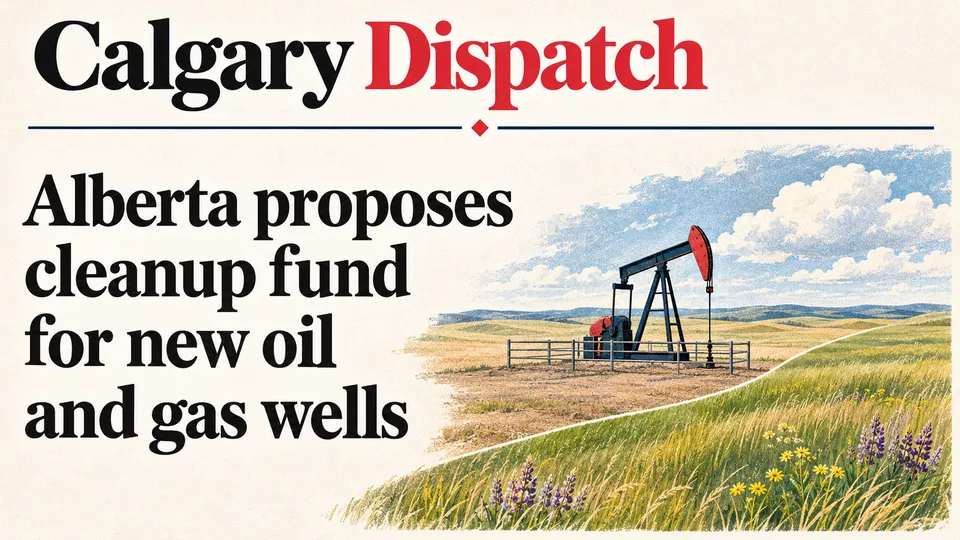
Oil and gas companies drilling new wells in Alberta would have to set aside money for their eventual cleanup under legislation introduced Wednesday, November 18. The province says the proposed Resource Asset Closure Assurance and Stewardship Fund is intended to prevent wells developed in the future from becoming unfunded liabilities if their owners later fail or sell their assets. The requirements are part of Bill 42 and have not yet been enacted.
Under the proposal, closure security would be tied to each individual well rather than held as a general company promise. Producers could make an initial contribution of up to $50,000, followed by equal annual contributions for as many as 10 years. The province says the target amount would be based on estimated cleanup costs 20 years into the future, although final operating rules remain under development. Alberta expects the requirements to apply to wells drilled after April 1, 2027, subject to passage and implementation.
If a well changes hands, the associated cleanup money and obligation would move with it. Once an operator completes reclamation, it could receive the accumulated funds; if a well becomes orphaned, the dedicated money would transfer to the Orphan Well Association to help finance the work. Energy Minister Brian Jean presented the arrangement as a way to ensure that liabilities cannot be separated from the assets that created them.
The policy does not eliminate the existing backlog. The Orphan Well Association manages sites left behind when companies become defunct or otherwise cannot meet their cleanup obligations, and it is supported by industry levies. The provincial announcement says producers are contributing approximately $154.4 million to the orphan-well fund this year, alongside a separate minimum industry closure-spending requirement of $750 million under Budget 2026. Canadian Press reporting on November 18 said the association’s latest inventory included 7,328 wells awaiting decommissioning and 9,258 sites needing reclamation; those figures represent different stages of work and should not be added together as a count of unique properties without verification.
For landowners, the change could create stronger security around future drilling, but the central question is whether estimated contributions and investment growth will consistently cover actual cleanup expenses years later. For smaller producers, tying closure funds to each asset may also make property transfers more predictable, though it could increase the capital needed to drill new wells. The legislation raises a further accountability question: how will regulators audit the fund, revise estimates when costs change and prevent a shortfall from developing even when the required payments have been made?
Alberta’s challenge is therefore twofold: keep new liabilities from entering the orphan-well system and deal with decades of existing wells that lack adequate funding. The proposed mechanism addresses the first problem. Evidence of success will depend on detailed regulations, independent scrutiny of the security calculations and long-term reporting on whether newly drilled wells are ultimately cleaned up at industry expense.